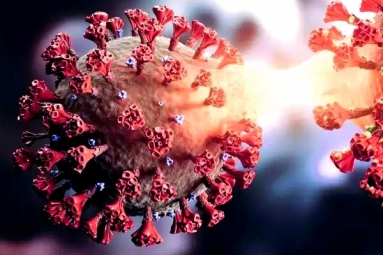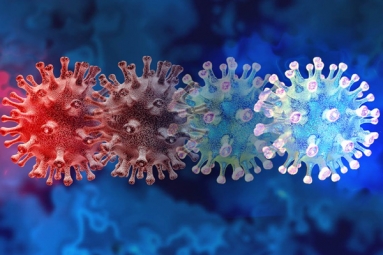

(Image source from: Who.int)
Scientists in Thailand have discovered a new type of coronavirus in bats that could possibly infect humans, based on a recent study published in the journal Cell. This finding is significant because the virus seems to have the ability to attach to human cells similarly to other known coronaviruses. Researchers mention that there is no current indication that this newly found virus is spreading among humans, but this emphasizes the necessity for ongoing monitoring of animal viruses. Experts point out that early detection of such viruses can aid scientists in understanding risks of future outbreaks and enhance readiness before any larger transmission takes place. The research, conducted by scientists from various international organizations including the University of Tokyo, found a variety of bat coronaviruses present in Thailand. One newly identified virus had features that suggest it might be able to infect human cells under specific situations. The researchers determined that this virus is part of a wider family related to the viruses that cause Covid-19, known as sarbecoviruses.
Viruses found in animals do not necessarily infect humans right away. However, scientists pay close attention to viruses that can connect with human cell receptors. In this instance, researchers noted that the virus could connect to ACE2 receptors, which are proteins located on human cells and are also used by SARS-CoV-2 to enter the human body. This does not indicate that a pandemic is about to occur, but it does suggest that there is a possibility of the virus being zoonotic. Sarbecoviruses are a subgroup of coronaviruses typically found in bats. This subgroup contains:
SARS-CoV-1, which was responsible for the SARS outbreak in 2003
SARS-CoV-2, the virus that led to the Covid-19 pandemic.
Over the years, scientists have found many similar viruses in wildlife, most of which do not infect humans. The team's study of geographical patterns showed that both Clade A and Clade B viruses were found in the same bat population during the sampling period. Their results reveal a complicated network of viral movement among overlapping horseshoe bat populations in Southeast Asia, with Clade B likely moving into eastern Thailand from northern areas of the peninsula near Laos. Bats are natural carriers for many viruses and play a crucial role in ecosystems. Keeping track of viruses in bats aids researchers in:
Spotting new health risks early
Understanding the evolution of viruses
Evaluating the risks of transmission to humans or animals.
Professionals indicate that monitoring is crucial for stopping future outbreaks. Investigators pointed out that there is no current proof of people being infected by this newly found virus. The results mainly serve as a scientific alert about possible risks in the future, rather than showing an ongoing outbreak. Health specialists state that there is no need to be alarmed, but it is essential to continue research and observation. The Covid-19 crisis demonstrated how rapidly diseases that jump from animals to humans can spread around the world. Consequently, scientists everywhere have heightened their efforts to examine viruses found in wildlife and enhance systems for early detection. Experts think that active monitoring can assist governments and health organizations in reacting more swiftly if new dangers arise. The identification of a novel coronavirus in Thailand with possible risks for human infection serves as a reminder that numerous viruses are still present in the environment. Although there is no indication of current human transmission, researchers affirm that maintaining surveillance, fostering scientific teamwork, and being ready are vital for lessening the chances of future pandemics.